How It Works
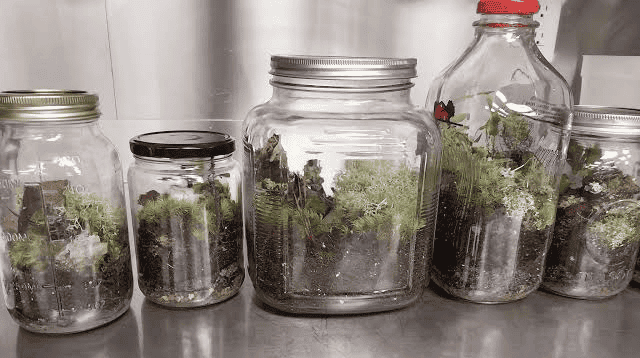
- The Substrate Layer: A 1-to-2-inch base of river or pond mud, sand, and small pebbles anchors the system and houses anaerobic and aerobic bacteria that break down organic waste. Avoid dark, foul-smelling black sludge, which indicates rotting material rather than healthy biological activity.
- The Water Column: Natural water from the same source introduces microscopic life like copepods, rotifers, ostracods (seed shrimp), and flatworms.
- The Producers: Green algae or small aquatic plants capture light to perform photosynthesis, producing the oxygen required by animal life and consuming carbon dioxide.
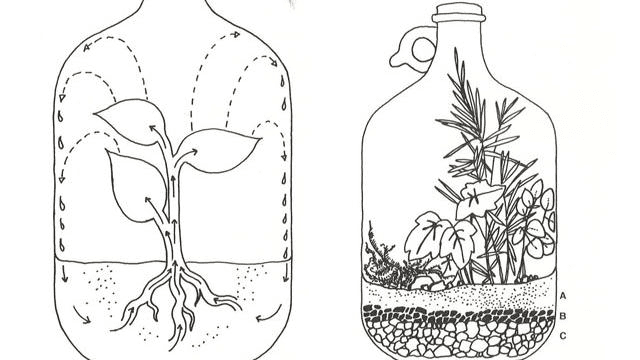
- The Sealed Cycle: Once sealed, water evaporates, condenses on the glass walls, and rains back down, creating a continuous internal hydrological and nutrient cycle with zero outside help.
What to Expect Over Time
- Days 1–7: The water is often cloudy as silt and mud particles settle and initial bacterial or fungal blooms turn the water milky.
- Weeks 2–4: The water clears. Microscopic grazers (like copepods and ostracods) multiply, eating excess bacteria and algae. Small worms, snails, or insect larvae may hatch or emerge from hidden eggs in the mud.
- Months 3–6+: The population stabilizes. Certain short-lived species die off while hardy scavengers (like scuds or specific snails) dominate the food web.
Terrariums & miniature gardens.
Arthurs, Kathryn, ed.
Publication date: 1973
Quick Setup Tips
- Light: Place the jar in bright, indirect sunlight. Direct, hot sun through glass will overheat the water and trigger a massive, fatal algae crash.
- Temperature: Keep it in a stable room temperature range of 18–25°C (64–77°F).
- Air Gap: Leave a small pocket of air at the very top before sealing the lid tightly.
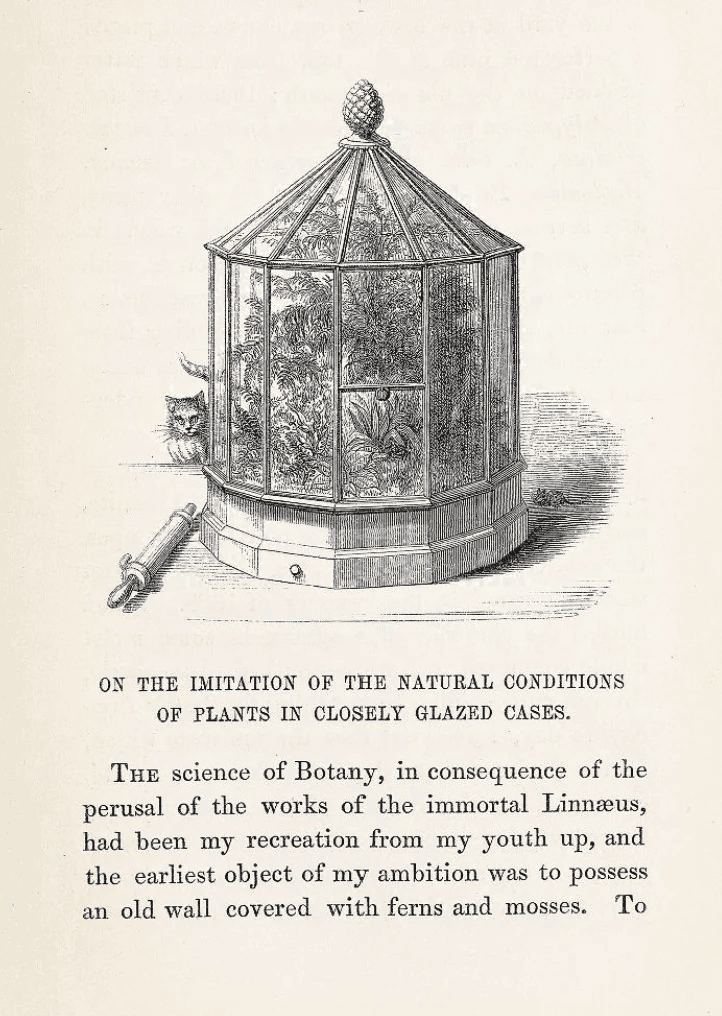
Nathaniel Bagshaw Ward had always been fascinated by how plants grew, especially the difficulty of keeping delicate species alive in polluted Victorian cities. His breakthrough did not come from plant research at all. He was observing moth cocoons inside sealed glass jars when he noticed something unexpected. A small fern seedling and a blade of grass had begun to grow inside one of the jars. The container had not been opened for months, and no water had been added, yet the plants were healthy and green.
Inside the glass jar, a natural cycle had formed. Moisture rose from the soil, condensed on the cool surface of the glass, and dripped back onto the earth. This repeated cycle created a perfect balance of humidity for the plants. The enclosed air allowed them to recycle their own oxygen and carbon dioxide. Ward realised he had stumbled upon a naturally functioning closed ecosystem.
Inspired by the discovery, Ward created larger sealed cases to test whether other species could flourish in the same conditions. The results were impressive. Ferns, mosses and other humidity loving plants grew with almost no care. London’s smoky atmosphere, which normally caused sensitive plants to die quickly, could not reach them inside their sealed environments. Ward had created the first true terrarium.
These early glazed cases demonstrated something ground-breaking. Plants could be grown in a completely enclosed container with no watering and minimal attention. The stable humidity and protection from pollution allowed species to thrive that had previously been impossible to keep indoors.
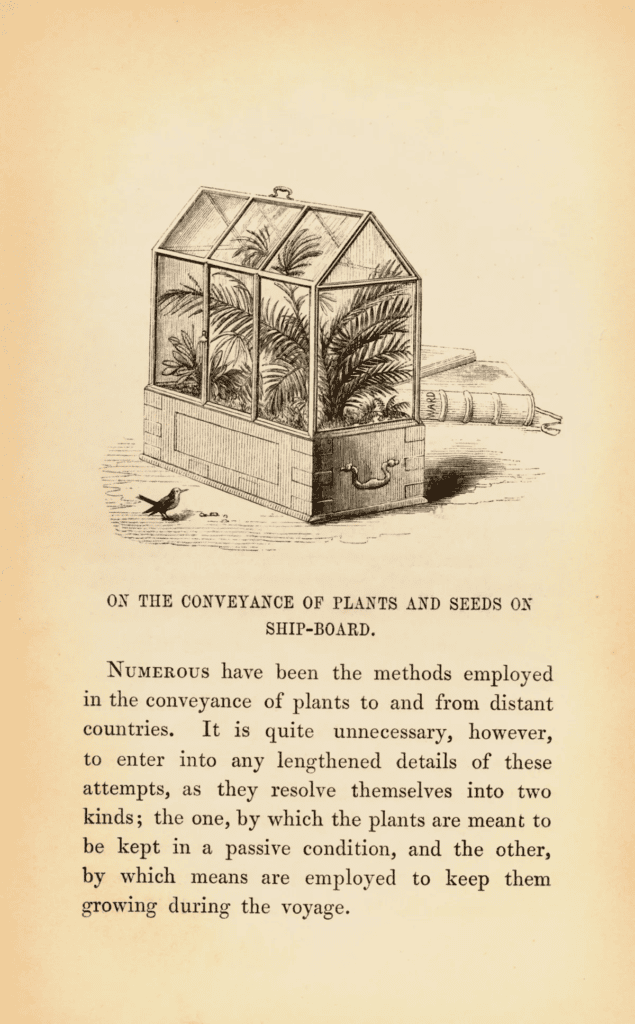
At the time, transporting plants between continents was almost impossible. Sea voyages lasted months, and salt spray, harsh winds and drought killed most specimens long before they reached their destination. Ward’s sealed cases changed this immediately.
Plants travelling inside these enclosed boxes arrived alive and healthy after long ocean journeys. Ferns from Australia, orchids from Asia and many other rare species were successfully transported to Europe for the first time. This led to a major shift in botanical research, international trade and horticulture. The Wardian case became an essential tool for plant collectors, nurseries and botanical gardens.
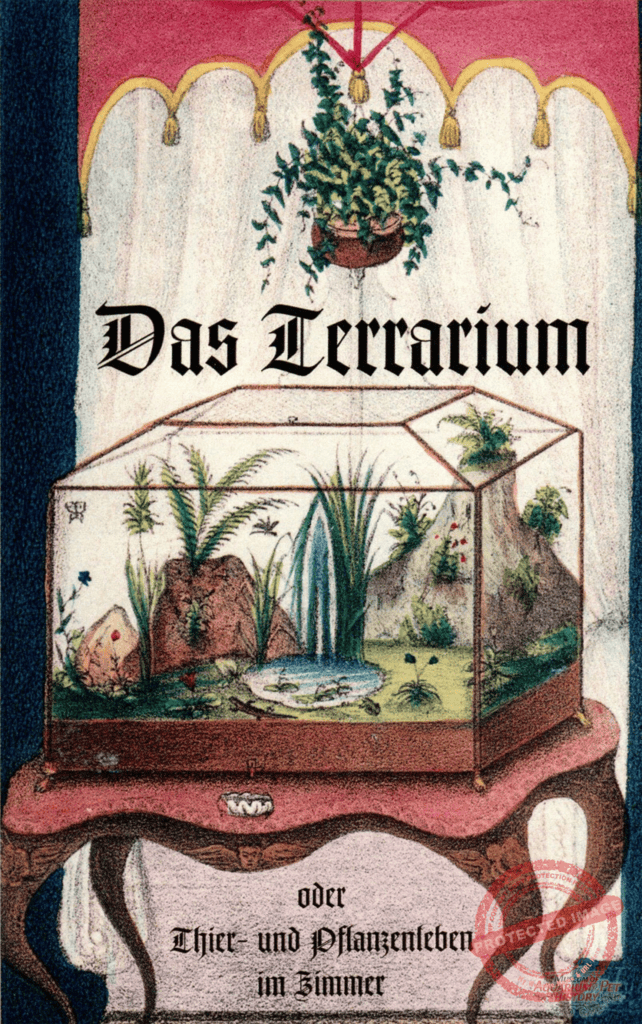
The popularity of Ward’s invention spread quickly. Victorian homes were often dark and filled with coal smoke, making them unsuitable for delicate greenery. Inside a sealed case, however, ferns and tropical plants thrived with ease. The cases became highly fashionable, appearing in homes, conservatories and grand indoor displays.
These early terrariums were not only practical but decorative. People appreciated their ability to maintain plants with little effort, and they became symbols of refinement, curiosity and scientific interest.
(Highland Moss)